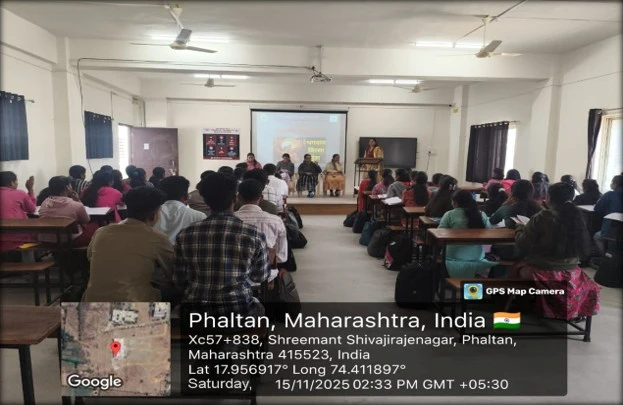
Career After B. Pharmacy: Best Job Opportunities, Higher Studies and Career Guide in India
Completing a Bachelor of Pharmacy (B.Pharm) degree is an important achievement, but it also brings a question that many students find difficult to answer: What should I do after B. Pharmacy?
Some graduates want to start earning immediately, while others are interested in postgraduate education, government jobs, research, or starting a business. Students may also feel uncertain about which career matches their academic knowledge, practical skills, and personal interests.
The encouraging part is that pharmacy education is not limited to working in a medical store. It introduces students to pharmaceutical manufacturing, medicine quality, healthcare services, drug research, regulatory requirements, and professional communication.
However, a degree alone does not guarantee employment. The right career depends on your skills, qualifications, interests, practical experience, and the requirements of individual employers.
This guide explores the major career options after B. Pharmacy in India, explains how to select a suitable path, and provides a practical development plan for students.
1. Understanding the Scope of B. Pharmacy in India
B.Pharm is a four-year undergraduate degree that develops knowledge of medicines and pharmaceutical sciences.
During the course, students study subjects such as pharmaceutics, pharmacology, pharmaceutical chemistry, pharmacognosy, pharmaceutical analysis, and pharmaceutical jurisprudence.
These subjects connect to different professional responsibilities.
For example, a student who enjoys pharmaceutical analysis may explore quality control laboratories. Someone interested in drug action and patient safety may consider pharmacovigilance or pharmacy practice. A graduate who enjoys communication and business may prefer pharmaceutical marketing.
The important point is that pharmacy is not one career; it is a collection of different career pathways.
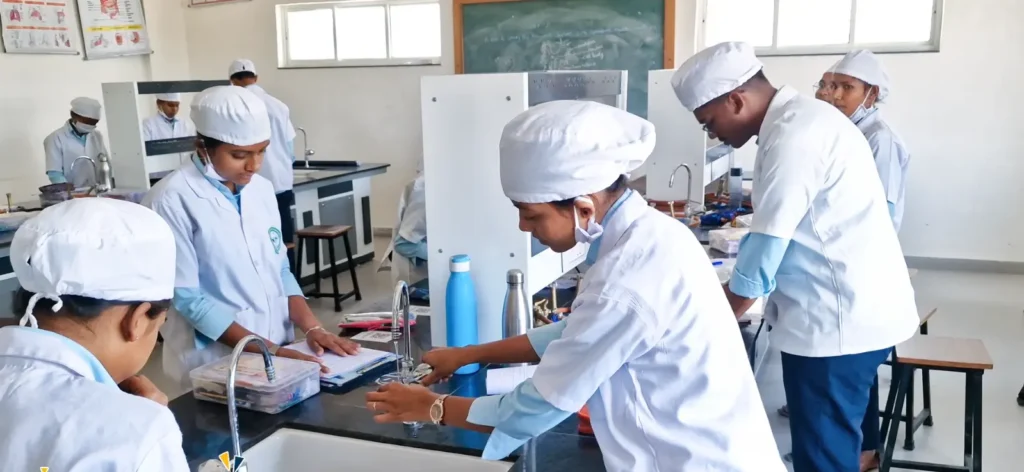
Students can explore the B.Pharm programme at PES’s College of Pharmacy & Research Center, Phaltan to understand how academic subjects and practical learning provide a foundation for these opportunities.
2. Pharmaceutical Industry Jobs After B. Pharmacy
The pharmaceutical industry offers several career pathways for graduates interested in medicine manufacturing, testing, documentation, and product development.
Pharmaceutical Production
Production departments are involved in manufacturing pharmaceutical products such as tablets, capsules, liquids, and other dosage forms.
Entry-level employees may assist with manufacturing documentation, equipment-related activities, production processes, and standard operating procedures under appropriate supervision.
Students interested in production should develop knowledge of:
-
Good Manufacturing Practices (GMP)
-
Pharmaceutical manufacturing processes
-
Batch manufacturing records
-
Equipment cleaning and documentation
-
Workplace safety and hygiene
A useful preparation activity is to study how a tablet moves from raw-material dispensing to finished-product packaging.

Quality Control (QC)
Quality control focuses on testing materials and pharmaceutical products against established specifications.
QC professionals may work with analytical instruments, laboratory records, chemical testing procedures, and sample evaluation.
Students who enjoy laboratory work, calculations, and analytical chemistry may find this field interesting.
Understanding high-performance liquid chromatography (HPLC), ultraviolet-visible spectroscopy, basic analytical methods, and laboratory safety can help students prepare for relevant entry-level positions.
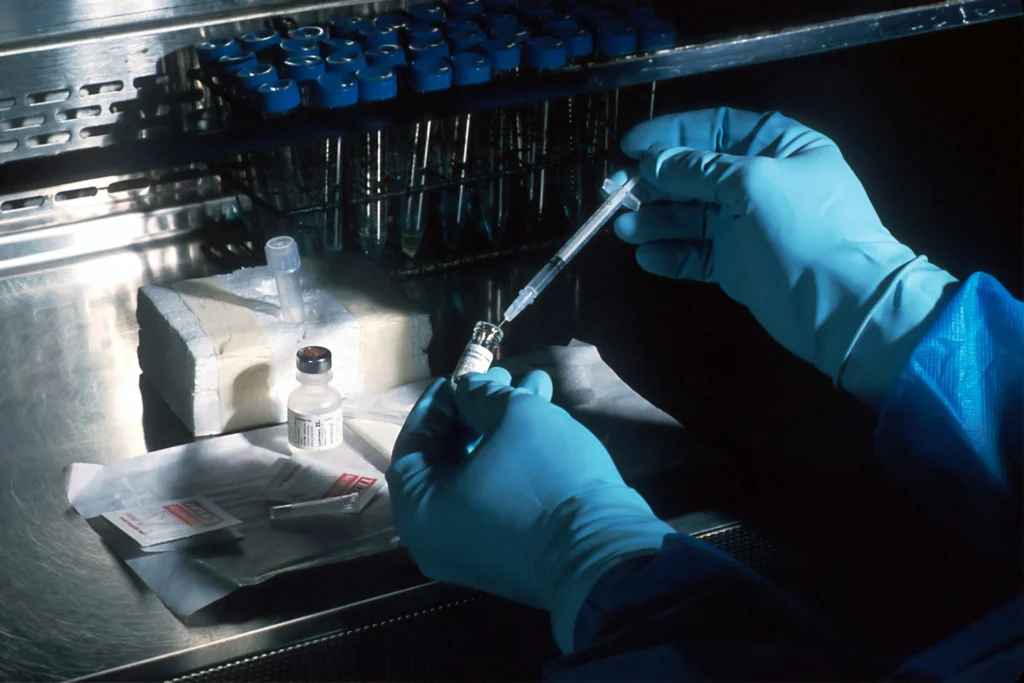
Quality Assurance (QA)
Quality assurance focuses on systems that help maintain consistent product quality.
QA-related responsibilities may involve reviewing documentation, understanding deviations, following standard operating procedures, and supporting compliance activities.
Although QC and QA are connected, their responsibilities differ.
QC primarily examines product quality through testing, while QA focuses
on the processes and systems used to achieve and maintain quality.
Students interested in QA should practice accurate documentation, attention to detail, and professional communication.
3. Research and Development After B.Pharm
Research and development (R&D) is suitable for students interested in understanding how pharmaceutical products are designed, improved, and evaluated.
Pharmaceutical research can involve formulation development, analytical method development, stability studies, and investigations into drug-delivery systems.
For example, a formulation research project might investigate how different excipients influence tablet disintegration or drug release.
A B.Pharm graduate may qualify for certain junior or support positions, but many specialized research roles prefer postgraduate qualifications and relevant experience.
Students planning to enter R&D can consider an M.Pharm in an appropriate specialization.
Developing scientific reading habits, experimental documentation skills, and basic statistical knowledge is particularly useful.
4. Pharmacovigilance and Drug Safety Careers
Pharmacovigilance involves identifying, assessing, understanding, and helping prevent adverse effects and other medicine-related safety problems.
This field connects pharmaceutical knowledge with patient safety and structured data management.
Depending on qualifications and employer requirements, graduates may explore entry-level drug-safety operations and related support positions.
Useful skills include medical terminology, pharmacology, accurate data entry, scientific writing, and understanding adverse drug reaction reporting.
For example, a student could practise reviewing a fictional adverse-event case and identifying the medicine, reported event, timeline, and missing information.
Such practice develops analytical thinking without involving real patient information.
Students can learn more from the Indian Pharmacopoeia Commission, which supports national pharmacovigilance activities.
5. Clinical Research and Healthcare-Related Careers
Clinical research investigates medicines and healthcare interventions through carefully regulated studies involving human participants.
B.Pharm graduates may explore certain entry-level roles in clinical research operations, trial documentation, data coordination, and related services.
These positions may require additional training, relevant experience, or qualifications specified by employers.
Students interested in this field should understand the basic stages of clinical trials, informed consent, research ethics, documentation, and Good Clinical Practice.
It is also important to understand that a B.Pharm qualification does not automatically authorize someone to practise medicine or independently perform responsibilities reserved for other licensed healthcare professionals.
6. Hospital and Community Pharmacy

Hospital and community pharmacy offer opportunities to work in medicine-related services and support safe medicine use.
Depending on the workplace and applicable rules, registered pharmacists may be involved in prescription dispensing, medicine storage, inventory management, patient communication, and other pharmacy responsibilities.
Students who enjoy healthcare environments and interacting with people may consider this career direction.
Pharmacist registration is essential for professional practice where required by law. The Pharmacy Council of India explains that registration is handled by State Pharmacy Councils, not directly by PCI. Graduates must satisfy the applicable registration requirements.
Students should verify current requirements through the Pharmacy Council of India and their respective State Pharmacy Council.
7. Regulatory Affairs and Pharmaceutical Documentation
Regulatory affairs involves helping pharmaceutical organizations meet applicable requirements for product approval, documentation, labeling, and compliance.
This field may appeal to graduates who enjoy reading technical information, understanding regulations, and preparing accurate documents.
Students can begin by learning about product labeling, pharmaceutical quality requirements, regulatory submissions, and the role of government authorities.
The Central Drugs Standard Control Organization (CDSCO) provides useful official information about India’s drug-regulatory framework.
Specialized regulatory positions often require experience or further training, so graduates should carefully review job descriptions before applying.
8. Pharmaceutical Marketing and Medical Sales
Not every pharmacy graduate wants to work in a laboratory.
Pharmaceutical marketing and medical sales can be suitable for students with strong communication, presentation, and relationship-building skills.
Potential responsibilities include explaining approved product information, coordinating with healthcare professionals, managing assigned territories, and supporting commercial activities.
Successful preparation requires more than memorizing medicine names. Graduates should develop scientific understanding, ethical promotional practices, communication skills, and confidence in professional interactions.
Sales-related jobs may involve travel, performance targets, and regular fieldwork. Students should consider these working conditions before selecting this career.
9. Government Jobs After B. Pharmacy
Government employment is another option for eligible pharmacy graduates.
Depending on recruitment notifications, opportunities may arise in government hospitals, public healthcare institutions, pharmaceutical services, and drug-regulatory departments.
Possible positions include pharmacist and other pharmacy-related technical or regulatory posts.
However, not every government pharmacy post accepts B.Pharm as the sole qualification. Some positions require pharmacist registration, experience, additional qualifications, or specific examination results.
Graduates should check the official recruitment advertisement for educational eligibility, age limits, reservation rules, examination patterns, and application deadlines.
Useful official resources include the National Career Service portal and the Maharashtra Public Service Commission.
Avoid relying on social media messages that promise guaranteed government employment or request payment for unofficial recruitment arrangements.
10. Higher Studies After B. Pharmacy

Higher education can help graduates develop specialized knowledge and pursue roles that require advanced qualifications.
M. Pharm
Master of Pharmacy is a common postgraduate option for students interested in pharmaceutical research, advanced technical knowledge, and academic development.
Specializations may include pharmaceutics, pharmaceutical chemistry, pharmacology, pharmacognosy, and pharmaceutical quality assurance, depending on the institution.
Admission requirements vary. Students should consult the relevant university, institution, and official entrance-examination information.
MBA or Pharmaceutical Management
An MBA may be appropriate for graduates interested in pharmaceutical marketing, operations, business development, healthcare management, or management-oriented career paths.
Students should compare the curriculum, fees, practical exposure, and verified placement information of institutions before enrolling.
Pharm.D (Post Baccalaureate)
Eligible B.Pharm graduates may explore Pharm.D (Post Baccalaureate) programmes offered by approved institutions.
Students should confirm current admission criteria, programme approval, and professional scope before applying.
Research and Doctoral Studies
Students interested in advanced scientific research or academic careers may pursue further postgraduate and doctoral qualifications, subject to eligibility.
The best higher-study choice depends on the work a student eventually wants to perform, rather than simply selecting the most popular degree.
11. Entrepreneurship Opportunities After B.Pharm
Pharmacy graduates may also be interested in business opportunities.
Possible directions include pharmaceutical distribution, pharmacy-related services, healthcare product businesses, and other legally permitted ventures.
However, starting a business requires more than a pharmacy qualification.
Licensing, premises, storage conditions, staffing, recordkeeping, financial planning, and other legal requirements depend on the business model.
For example, establishing a retail pharmacy requires compliance with applicable drug-licensing rules and pharmacist-related requirements.
Students should seek guidance from the appropriate licensing authorities and qualified professionals before investing money.
Entrepreneurship can provide independence, but it also involves financial risk and significant operational responsibility.
12. How to Choose the Right Career After B.Pharm
One of the biggest mistakes students make is choosing a career only because a friend selected it or because someone mentioned a high salary.
A better approach is to compare personal interests with actual job responsibilities.
| Your interest | Career to explore |
|---|---|
| Laboratory testing and instruments | Quality Control |
| Manufacturing and industrial processes | Production |
| Documentation and quality systems | Quality Assurance |
| Experiments and formulation | Research and Development |
| Drug safety and medical information | Pharmacovigilance |
| Regulations and technical writing | Regulatory Affairs |
| Patient interaction and medicine services | Hospital or Community Pharmacy |
| Communication and business | Pharmaceutical Marketing |
This table is a starting point, not a guarantee of eligibility or employment.
Students should review genuine job descriptions and discuss career choices with faculty members, practising professionals, and career mentors.
13. A Practical 90-Day Career Preparation Plan
Instead of waiting until graduation to begin career preparation, students can follow a structured plan.
Days 1–30: Explore and identify interests
Review the subjects you enjoy, select two potential career fields, read entry-level job descriptions, and identify the skills employers commonly request.
Prepare a basic resume highlighting education, laboratory knowledge, academic projects, and relevant activities.
Days 31–60: Build one useful skill
Choose a practical learning activity related to your preferred field.
For QC, revise analytical instruments and practise calculations. For QA, study documentation principles. For pharmacovigilance, learn adverse-event terminology. For marketing, practise a scientific product presentation.
Create a small portfolio containing your learning notes, project summaries, or non-confidential sample work.
Days 61–90: Prepare for opportunities
Practise interviews, improve your resume, explore legitimate internships, and apply for suitable positions.
Seek feedback from faculty members or industry professionals.
Keep a record of applications and review your progress every week.
This approach helps students develop evidence of their abilities instead of relying only on examination marks.
14. Pharmacy Career Preparation at PES’s College of Pharmacy & Research Center, Phaltan
At PES’s College of Pharmacy & Research Center, Phaltan, pharmacy education combines academic learning with laboratory activities, student development, and exposure to pharmaceutical subjects.
The college’s B.Pharm programme is affiliated with Dr. Babasaheb Ambedkar Technological University (DBATU), Lonere, Raigad.
Its published programme information describes pharmaceutical laboratories, a digital library, a computer and language laboratory, and other learning resources intended to support students’ academic development.
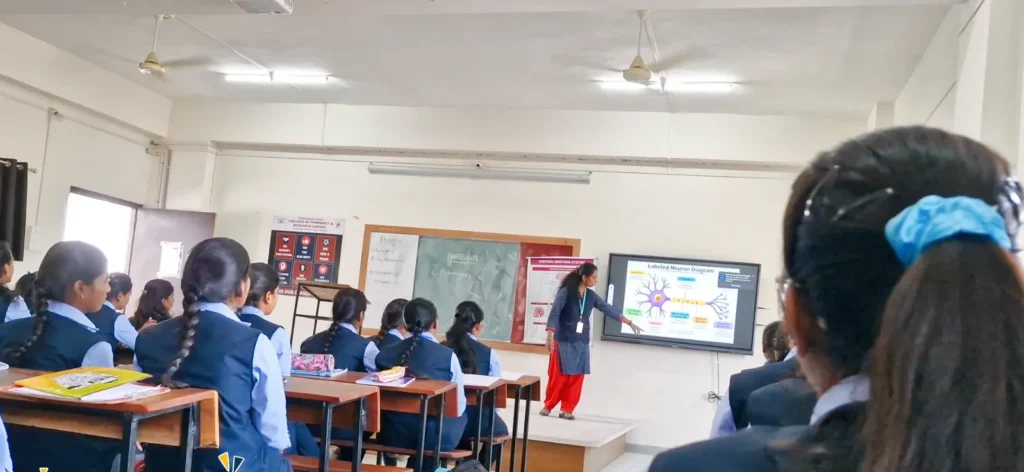
Career preparation can begin with everyday academic activities: maintaining accurate practical records, participating in presentations, asking questions during expert lectures, and developing confidence in technical communication.
Students can also explore the college’s Pharmacy Career Opportunities page for additional information about professional pathways.
15. Common Mistakes to Avoid After B. Pharmacy
A successful transition from college to employment requires realistic planning.
Some common mistakes include applying for every available job without understanding the responsibilities, paying for unverified placement promises, and purchasing expensive training courses without checking their relevance.
Another mistake is assuming that an additional certificate automatically guarantees a job.
Students should also avoid presenting laboratory techniques or software skills on their resumes unless they can explain or demonstrate them.
Finally, graduates should remember that their first position does not have to determine their entire career. Professional interests and opportunities may develop with experience.
Frequently Asked Questions About Career After B. Pharmacy
Is B.Pharm a good career option in India?
B.Pharm provides a foundation for several pharmaceutical and healthcare-related careers. Its suitability depends on individual interests, skill development, job-market conditions, and professional requirements.
Can I get a job immediately after B.Pharm?
Yes, graduates may apply for entry-level positions that accept B.Pharm qualifications. Employment depends on vacancies, selection processes, skills, and employer requirements.
Which job is best after B.Pharm?
There is no single best job for everyone. QC may suit laboratory-oriented students, while QA, production, pharmacovigilance, marketing, or pharmacy services may suit different interests.
Is M.Pharm necessary after B.Pharm?
M.Pharm is not necessary for every career. Some entry-level positions accept B.Pharm graduates, while specialized research, academic, and other roles may require postgraduate qualifications.
Can B.Pharm graduates apply for government jobs?
Yes, where the recruitment notification permits their qualification and they meet all additional conditions, including registration where applicable.
Can I work as a pharmacist after B.Pharm?
Graduates with an approved qualification may seek registration through the appropriate State Pharmacy Council, subject to statutory eligibility and applicable requirements.
Conclusion
A career after B. Pharmacy can develop in many directions, including pharmaceutical manufacturing, quality control, quality assurance, drug safety, research, pharmacy services, regulatory affairs, marketing, higher education, and entrepreneurship.
The most effective decision is not necessarily the one offering the highest advertised salary or the most popular job title. It is the career that connects your interests with appropriate qualifications, practical abilities, and realistic opportunities.
Students should begin exploring careers early, develop useful skills, learn from professionals, and evaluate opportunities carefully.
For students interested in pharmacy education in Maharashtra, explore the B.Pharm programme at PES’s College of Pharmacy & Research Center, Phaltan or visit the official admission enquiry page for course-related information.
Editorial note: Career opportunities, recruitment eligibility, admission rules, and professional registration requirements can change. Readers should verify the latest information from official authorities and individual employers.
About the Author
Written by: Editorial Team
Institution: PES’s College of Pharmacy & Research Center, Phaltan, Maharashtra
Reviewed by: Dr. Vikram T. Deshmukh (Principal), Prof. Kavitake S. S. (Asst. Prof.) and Prof. Shegar S. N. (Asst. Prof.)
Last Reviewed: 09-10-2026
About this article: This educational article provides information about career opportunities, higher education, and professional development after B.Pharm in India. The content is intended to help students explore career pathways and make informed academic decisions.
Official References:
- Pharmacy Council of India
- Central Drugs Standard Control Organization
- Indian Pharmacopoeia Commission
- National Career Service
Disclaimer: Recruitment eligibility, admission requirements, professional registration rules, and career opportunities may change. Readers should verify current information from the relevant official authorities.
Related articles
Continue exploring useful stories from our college.